

Sports Nutrition Guide for Young Swimmers
Proper nutrition plays a vital role in every swimmer’s development. What athletes eat directly affects their energy, recovery, performance, and long-term health. This guide provides practical recommendations to help swimmers establish strong habits that support their daily training.
Why Nutrition Matters
Nutrition is the foundation of athletic performance. A healthy diet helps swimmers:
-
Maintain steady energy levels
-
Support muscle growth and repair
-
Improve recovery after workouts
-
Stay hydrated
-
Perform consistently at practices and competitions
A well-balanced eating routine helps swimmers become stronger, faster, and healthier.
Key Nutrients for Swimmers
Carbohydrates – Main Source of Energy
Carbohydrates fuel training sessions and competitions. Include foods such as rice, pasta, potatoes, oatmeal, fruits, and whole grains.
Protein – Muscle Repair and Growth
Protein helps build and repair muscle. Good sources include chicken, turkey, eggs, fish, yogurt, beans, and lean meats.
Healthy Fats – Long-Lasting Energy
Healthy fats support energy, vitamin absorption, and overall health. Include foods like avocados, nuts, seeds, olive oil, and salmon.
Balanced Plate
Every meal should include a mix of carbohydrates, protein, and healthy fats to support training demands.
Hydration
Even though swimmers train in the water, staying hydrated is essential. Dehydration can lead to headaches, muscle cramps, and decreased performance.
Recommendations:
-
Encourage athletes to drink water throughout the day.
-
Use electrolyte-replenishing drinks during long or intense practices.
-
Monitor signs of dehydration such as dry mouth, fatigue, headaches, and cramps.
Meal Timing and Smart Snacking
Before Training (1–2 hours prior)
Focus on easy-to-digest carbohydrates such as fruit, toast, oatmeal, granola bars, or a small sandwich.
After Training (within 30 minutes)
Combine carbohydrates and protein to support muscle recovery—for example:
-
Banana with peanut butter
-
Greek yogurt with fruit
-
Chocolate milk
-
Turkey sandwich
-
Trail mix
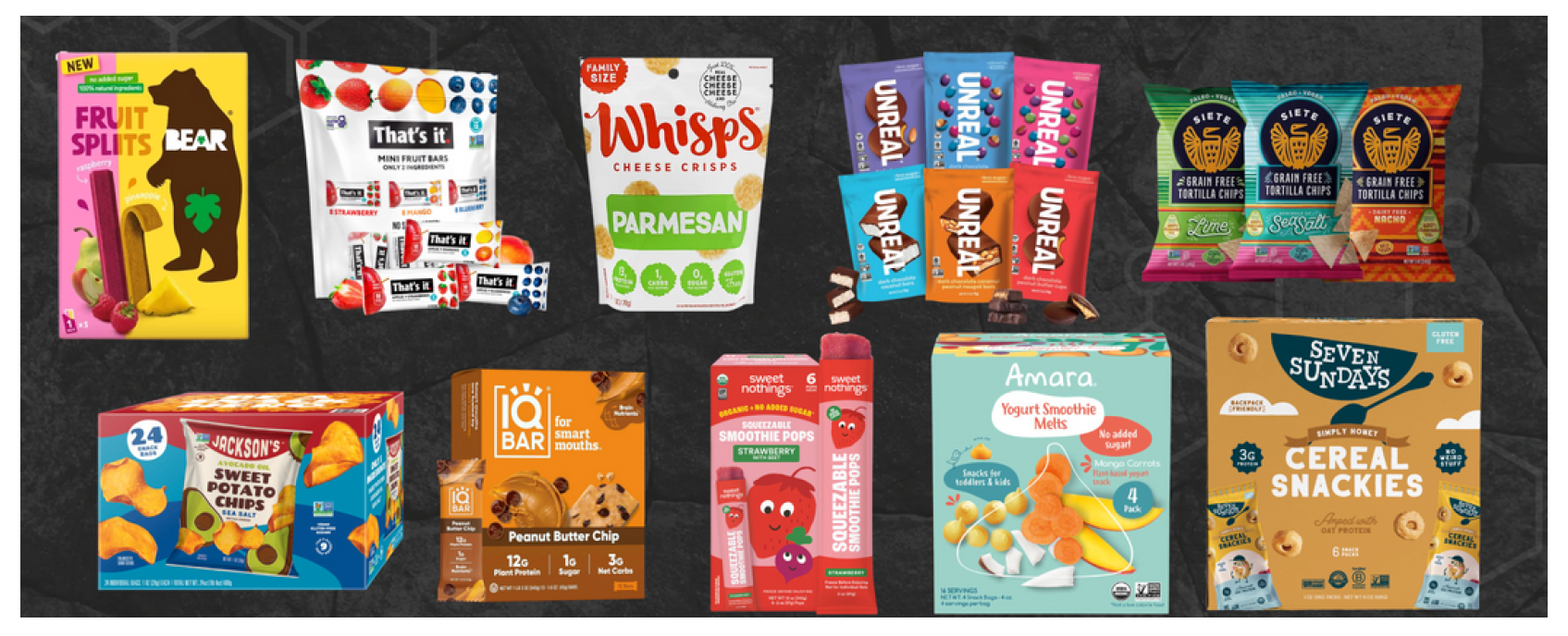
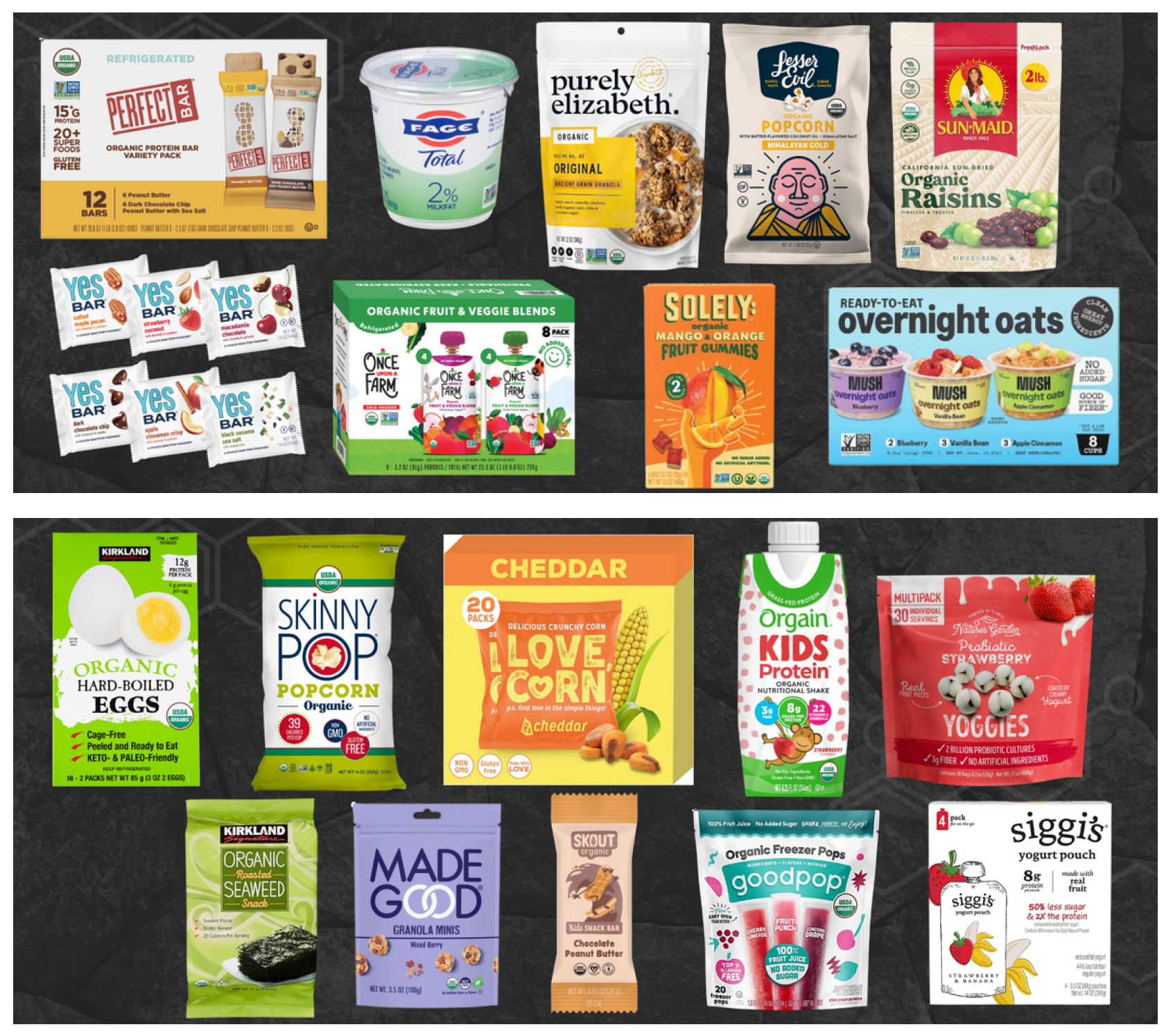
Recommended snacks, easy to find:
Adjusting Nutrition Based on Training Load
Swimmers should adjust their food intake based on training intensity:
-
Hard training days: Increase carbohydrates for energy.
-
Light training days or rest days: Focus more on vegetables, fruits, lean proteins, and hydration.
Sleep and Performance
Adequate sleep is just as important as proper nutrition.
-
Young athletes should aim for 8–11 hours of sleep each night.
-
Quality sleep improves focus, energy, recovery, and performance.
-
Lack of sleep can lead to slower times, lower motivation, and increased fatigue.
Building Motivation and Healthy Habits
Good nutrition helps swimmers feel better, train better, and develop healthy lifelong habits. Parents can support their swimmers by encouraging:
-
Consistent meal routines
-
Smart food choices
-
Hydration throughout the day
-
Balanced plates at home
-
Confidence in their own nutrition habits
Healthy choices outside the pool lead to stronger performances in the pool.